The Weekly AI Digest
Week of 13–19 March 2026
Top 5 AI Stories This Week
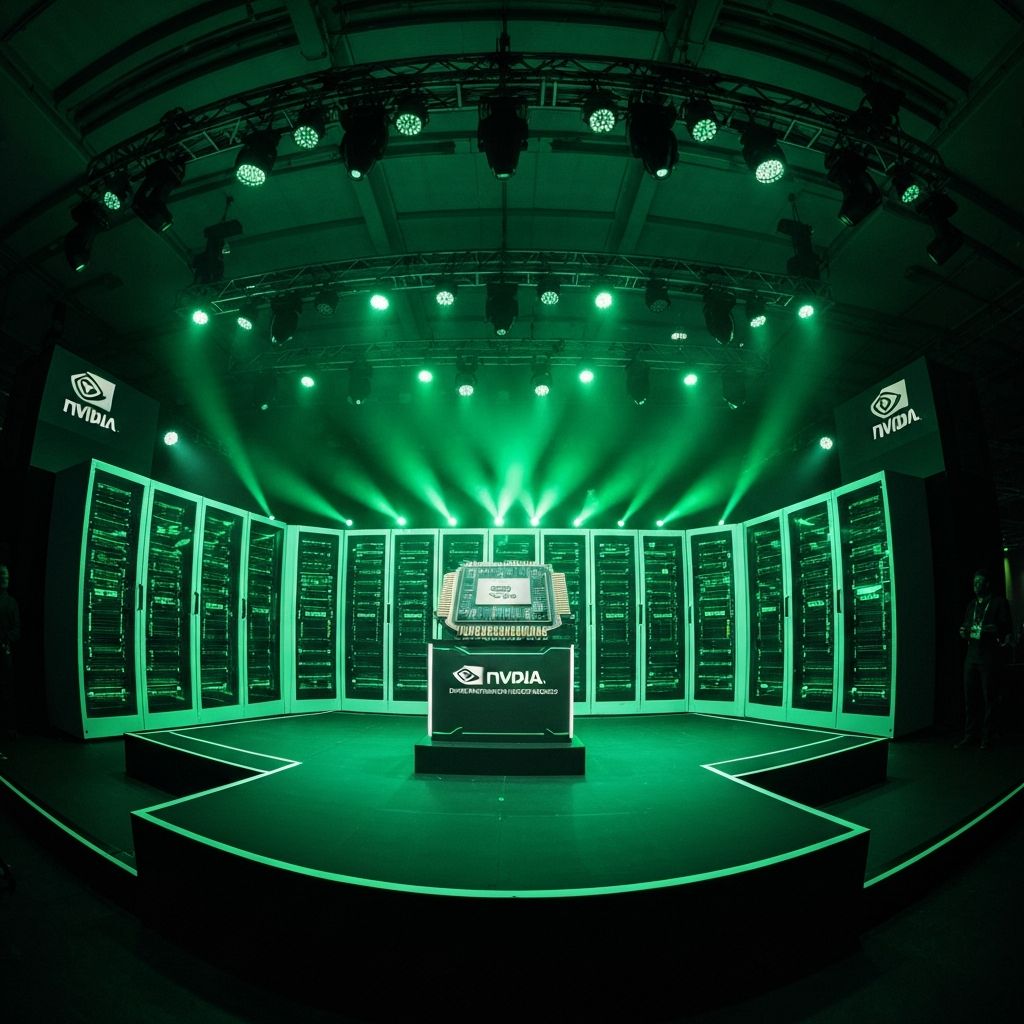
NVIDIA GTC 2026: Jensen Huang Sees $1 Trillion in Orders
NVIDIA's annual developer conference delivered a flood of announcements. CEO Jensen Huang reported $1 trillion in orders for Blackwell and Vera Rubin systems through 2027. The headline product: Vera Rubin, shipping later this year, delivers 10x more performance per watt than its predecessor. Other announcements included NemoClaw, an enterprise-ready reference stack for OpenClaw agents; a partnership with Groq for new inference accelerators; and automotive deals with Nissan, BYD, Geely, Isuzu and Hyundai for Level 4 autonomous vehicles.
Why it matters: NVIDIA is positioning itself not just as a chip supplier but as the full-stack infrastructure provider for AI. NemoClaw signals that NVIDIA wants a cut of the enterprise agent market, making OpenClaw 'enterprise ready' with a single download.
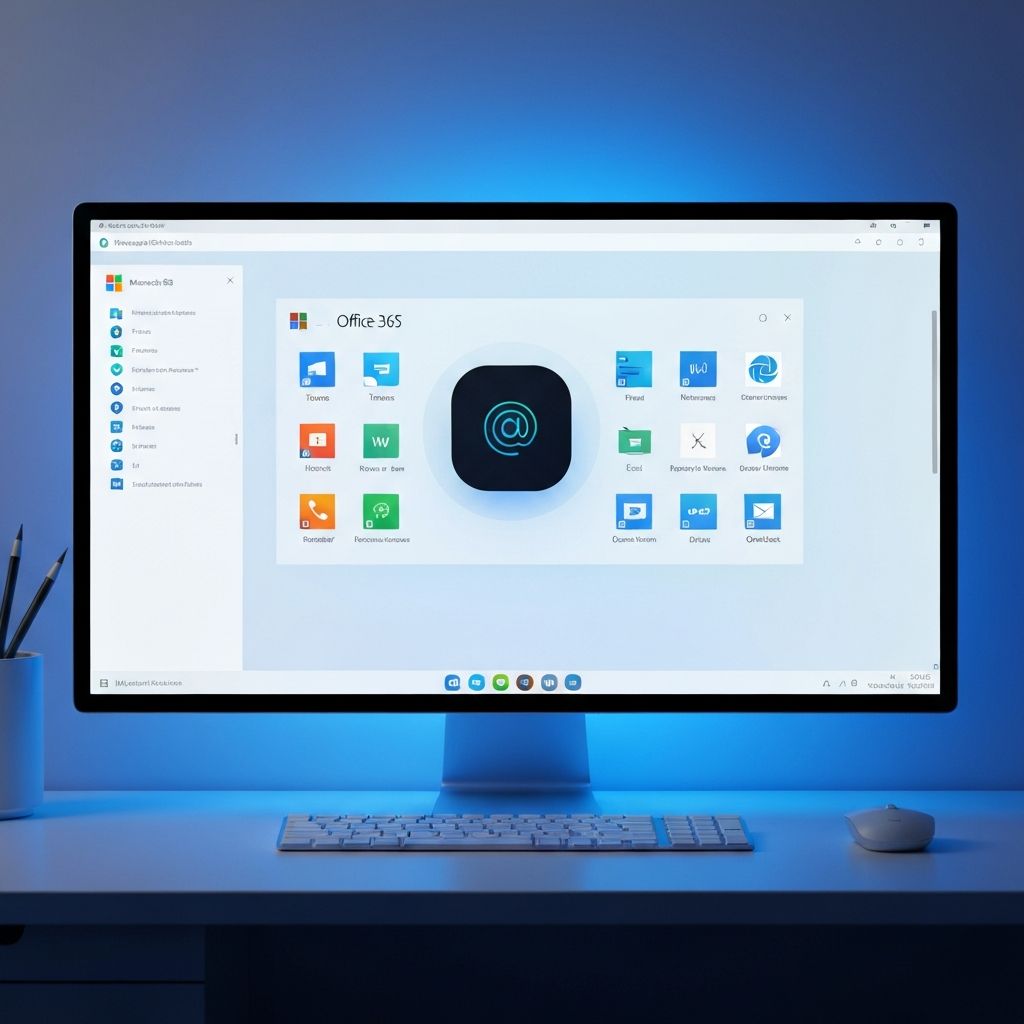
Microsoft Launches Copilot Cowork, Built with Anthropic
Microsoft released Copilot Cowork on March 9, an enterprise AI agent that can execute multi-step tasks across Outlook, Teams, Excel and other Microsoft 365 apps. The twist: Microsoft built it using Anthropic's Claude Cowork technology and adopted the same product name. Unlike Claude Cowork (which runs locally), Copilot Cowork operates in Microsoft's cloud and draws on enterprise data across the full Microsoft 365 graph.
Why it matters: Microsoft is signaling that Copilot is no longer just an OpenAI product. The company will use whichever model is best for each task. For enterprises already in the Microsoft ecosystem, Copilot Cowork promises AI that can actually do work rather than just assist with it.

Perplexity Launches Personal Computer and Enterprise Agent
At its inaugural Ask 2026 developer conference, Perplexity unveiled two major products. Personal Computer runs continuously on a Mac mini, giving AI agents persistent access to local files, apps and sessions. Computer for Enterprise brings the same multi-model orchestration to corporate customers, with Slack integration, Snowflake connectors and SOC 2 Type II compliance. The company says internal deployment saved teams 3.2 years of work in four weeks.
Why it matters: Perplexity is betting that model orchestration, not any single model, will be the valuable layer. Internal data shows no single model now accounts for more than 25% of usage, down from 90% going to just two models a year ago. The $200/month Personal Computer positions AI as a dedicated always-on worker.

Meta Acquires Moltbook, a Social Network for AI Agents
Meta has acquired Moltbook, a Reddit-style social network designed exclusively for AI agents to post, comment and interact with one another. The platform racked up millions of registered bots within days of launch as OpenClaw users discovered it. The founders are joining Meta Superintelligence Labs (MSL). Security researchers revealed that Moltbook's infrastructure was poorly secured, making it easy for humans to impersonate AI agents.
Why it matters: The Moltbook acquisition signals that major tech companies are thinking seriously about AI-to-AI communication infrastructure. As enterprises deploy more agents, the question of how those agents coordinate, share information and interact becomes increasingly relevant.

Morgan Stanley Warns AI Breakthrough Coming in H1 2026
Morgan Stanley released a report warning that a 'transformative leap' in AI is imminent, driven by unprecedented compute accumulation at America's top AI labs. The investment bank cited Elon Musk's claim that applying 10x compute to LLM training effectively doubles model 'intelligence' and said the scaling laws backing that claim are holding firm.
Why it matters: Wall Street is increasingly treating AI capability jumps as near-term certainties rather than distant possibilities. For organisations still piloting AI, the message is that the gap between 'experimenting' and 'competing' may close faster than expected.
Australia Watch
Anthropic Opens Sydney Office
Anthropic announced it is opening an office in Sydney, its fourth globally and first in Asia-Pacific. Australia and New Zealand rank 4th and 8th globally in Claude.ai usage relative to population.
The company is exploring expanding compute capacity locally through third-party partners, responding to consistent requests from Australian enterprises and government agencies with data residency requirements. Anthropic's executive team will visit Australia at the end of March to formalise partnerships.
Canada-Australia AI Safety MOU
Canadian Prime Minister Mark Carney visited Australia this week, announcing a Memorandum of Understanding on AI Safety between the two countries. The agreement enables collaboration between Canada and Australia's AI safety institutes to share expertise.
A parallel MOU with India will formalise strengthened collaboration on AI development and deployment.
Atlassian Cuts Continue to Impact Australia
Following last week's announcement of 1,600 job cuts at Atlassian, approximately 480 affected roles (30% of global cuts) are based in Australia.
CEO Mike Cannon-Brookes continues to face questions about whether 'AI transition' is genuine strategic repositioning or a convenient narrative for cost reduction.
Emerging Trends
The 'Cowork' Category Is Now Official
Microsoft naming its product 'Copilot Cowork' after Anthropic's Claude Cowork validates the category. AI agents that execute multi-step workflows across applications are becoming a recognised product type, not just demos.
Expect every major productivity platform to launch a 'cowork' equivalent within months.
Multi-Model Orchestration Is Gaining Traction
Both Perplexity and Microsoft are explicitly positioning themselves as model-agnostic. The idea that no single AI provider will dominate every capability is becoming a design principle, not just a hedge.
For enterprises, this may reduce lock-in concerns but increases integration complexity.
GTC Sets the Pace for Enterprise AI Infrastructure
NVIDIA's announcements at GTC suggest the infrastructure layer is moving as fast as the model layer. NemoClaw, Vera Rubin, and the Groq partnership all point to a future where enterprise AI runs on purpose-built hardware and software stacks.
Businesses planning AI infrastructure investments should factor in that the 'standard' stack may look very different in 12 months.