The Weekly AI Digest
Week of 17–23 April 2026
Top 5 AI Stories This Week
Claude Opus 4.7 Ships with a Hidden Cost Increase
Anthropic released Opus 4.7 on April 16 with pricing unchanged at $5/$25 per million tokens. A new tokenizer produces 1.0x to 1.35x as many tokens per prompt, and independent measurements through the week came in higher. Simon Willison measured 1.46x on Anthropic's own system prompt. Others reported 1.47x on technical documentation. The benchmark gains are genuine (SWE-bench Verified from 80.8% to 87.6%, 3x image resolution), but sentiment turned negative within 48 hours.
Why it matters: Headline pricing unchanged does not mean invoice unchanged. Teams on Opus saw costs step up the day they flipped the model ID. Before migrating, replay real traffic through count_tokens on both models and measure the actual delta.
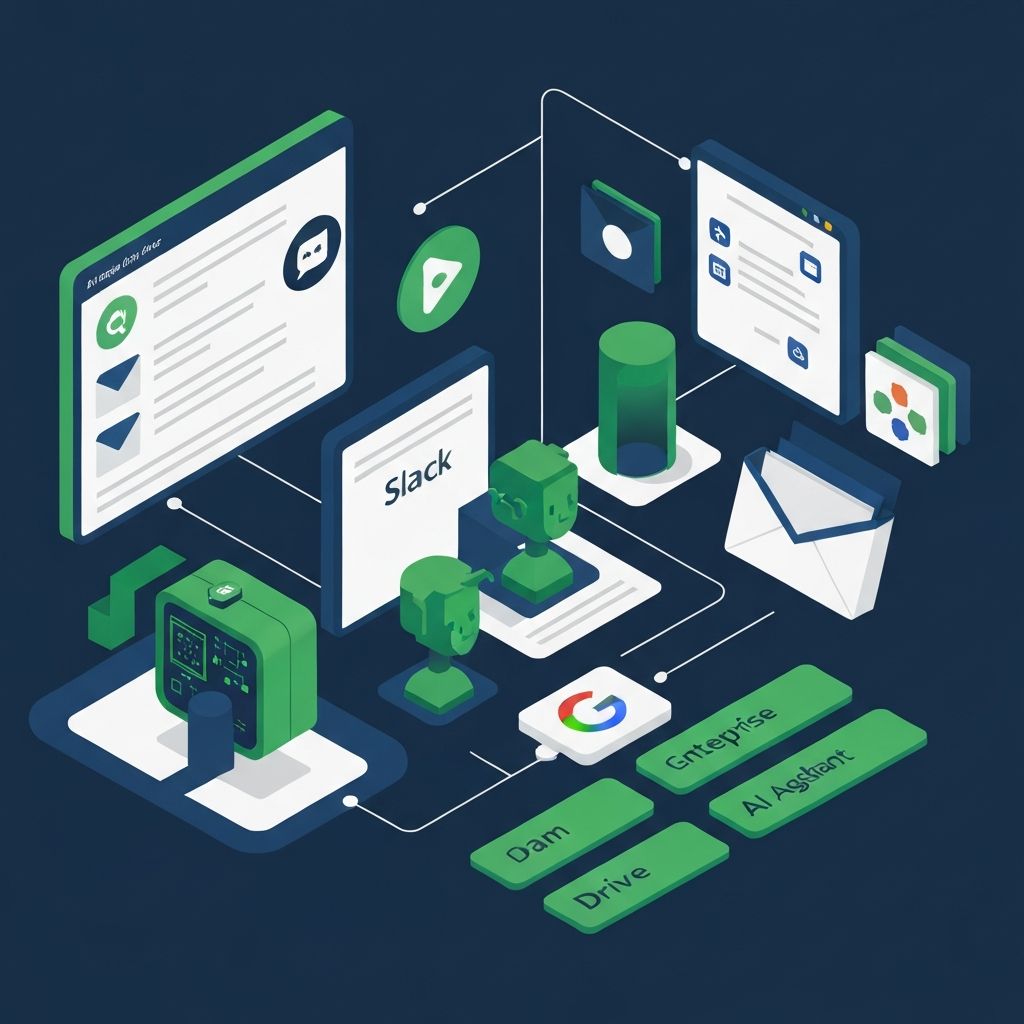
OpenAI Replaces Custom GPTs with Workspace Agents
OpenAI launched Workspace Agents on April 22 for Business, Enterprise, Edu and Teachers plans. Powered by Codex, they run in the cloud, operate across Slack, Google Drive, Gmail, Salesforce, Notion and SharePoint, and can be scheduled, shared and governed through role-based admin controls and a Compliance API. Free until May 6, then credit-based pricing. Custom GPTs will be deprecated for organisations at a future date.
Why it matters: ChatGPT is shifting from a user-level chatbot to a team-level work surface, putting OpenAI directly against Microsoft Copilot Studio and Anthropic Managed Agents. For teams already on ChatGPT Business, this is a capability upgrade at no immediate cost. For teams that built on Custom GPTs, a migration path is on the clock.
Tim Cook Steps Down, John Ternus Named Apple CEO
Apple announced on April 20 that Tim Cook will step down on August 31, with John Ternus, currently SVP of Hardware Engineering, taking over on September 1. Cook becomes executive chairman. Ternus has been at Apple for 25 years and has led hardware engineering across most of the iPhone, iPad and Mac lineup over the past decade.
Why it matters: Cook hands over at an AI inflection point Apple has visibly been trying to catch up to. How aggressively Ternus pushes Apple into AI infrastructure, on-device models and developer tooling will shape what AI looks like on the device in most people's pockets.
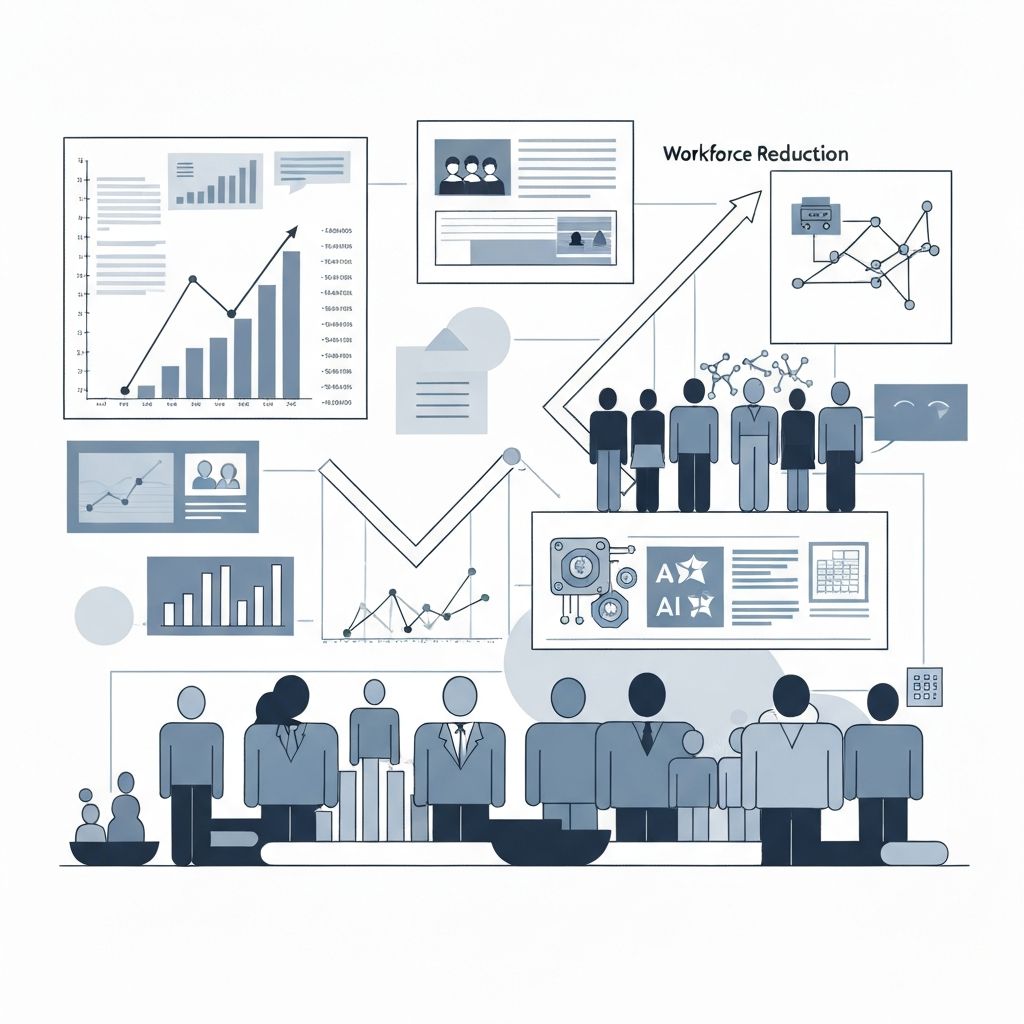
Meta and Microsoft Cut Staff Even as AI Capex Climbs
Meta confirmed on April 23 it will cut around 10% of its workforce, citing the need to offset record AI capital expenditure. Microsoft is running voluntary buyouts and leaving a significant share of open roles unfilled. The pattern is consistent across Q1 2026: 78,557 tech layoffs, with Nikkei Asia attributing 47.9% directly to AI and workflow automation. IBM bucked the trend and tripled entry-level hiring for 2026.
Why it matters: AI productivity gains are being claimed by employers in headcount reduction rather than growth hiring. If entry-level knowledge work is the most exposed, the mid-career pool five years out is already shrinking. Organisations that rely on graduate intakes should be rethinking their pipeline now.

Microsoft Commits A$25 Billion to Australia
Satya Nadella announced Microsoft's largest-ever Australian investment at the AI Tour Sydney on April 23. The A$25 billion (US$18 billion) commitment by end of 2029 covers a 140% expansion of Azure AI supercomputing capacity, extension of the Microsoft-ASD Cyber Shield partnership to more federal agencies, collaboration with the Australian AI Safety Institute, and AI skilling for three million Australians by 2028. Microsoft signed an MOU with the federal government on data centre and AI infrastructure commitments.
Why it matters: Australia now has over A$50 billion in committed AI infrastructure from the three biggest US hyperscalers (AWS A$20B, OpenAI A$7B, Microsoft A$25B), plus Anthropic's MOU signed three weeks ago. Sovereign AI capacity is moving from constraint to capability inside a two-year window, and the bar for workforce AI literacy rises with it.
Australia Watch
Ready for Sovereignty Forum Flags Governance Stalemate
The Canberra forum concluded on April 21 with two clear messages. Australia's AI governance posture is heavily weighted toward risk mitigation and largely silent on opportunity cost. Regulators are structurally disconnected from how AI is being used in practice.
Policy settings are lagging behind deployment realities.
Westpac and Telstra Share Production Deployment Numbers
At the Microsoft AI Tour, Westpac confirmed Copilot rollout to 35,000 staff with governance tied to business outcomes. Telstra scaled a 300-person pilot to 21,000 employees, reporting one to two hours saved per person per week and a 15% lift in task completion.
Real production numbers from major Australian enterprises showing measurable productivity gains.
ASD Cyber Shield Expanded Across Federal Agencies
Microsoft's A$25B commitment extends the MACS partnership with ASD to more federal agencies, delivering security configuration and threat visibility across government Microsoft estate.
Federal cybersecurity posture strengthening through hyperscaler partnership.
Emerging Trends
Enterprise Agents Are Now a Contested Category
Microsoft Copilot, OpenAI Workspace Agents, Anthropic Managed Agents and Google Workspace agents now offer broadly the same promise. Differentiation over the next 12 months will come from admin controls, audit trails, integration depth, and approval-workflow handling, not model quality.
The battle is moving from model capability to enterprise governance features.
Headline Price Is No Longer the Whole Price
Opus 4.7's tokenizer and OpenAI's credit-based Workspace Agents pricing both show that the rate card tells only part of the cost story. Teams deploying AI in production should budget for effective-cost observability, not just per-token line items.
Build cost monitoring into your AI deployment from day one.
Skills Are Now Infrastructure
Microsoft's three-million Australian skilling commitment is consistent with a pattern across every major hyperscaler. AI skills are being treated as critical infrastructure rather than a training line item, which raises the market-wide floor for what workforce capability looks like.
Workforce AI literacy is becoming a baseline expectation, not a competitive advantage.